Services · Autistic & AuDHD
Occupational Therapy for Autistic and AuDHD Children
We are an Autistic-affirming clinic. That means we are not trying to make your child seem less Autistic.
Autism is a difference in neurotype, not a deficit to be corrected. Our work is about understanding how your child’s brain and body actually work, then changing what is around them so that daily life costs them less.
AuDHD, where a child is both Autistic and ADHD, brings its own tension. A nervous system that wants routine and novelty at the same time. We hold both.
What support can look like
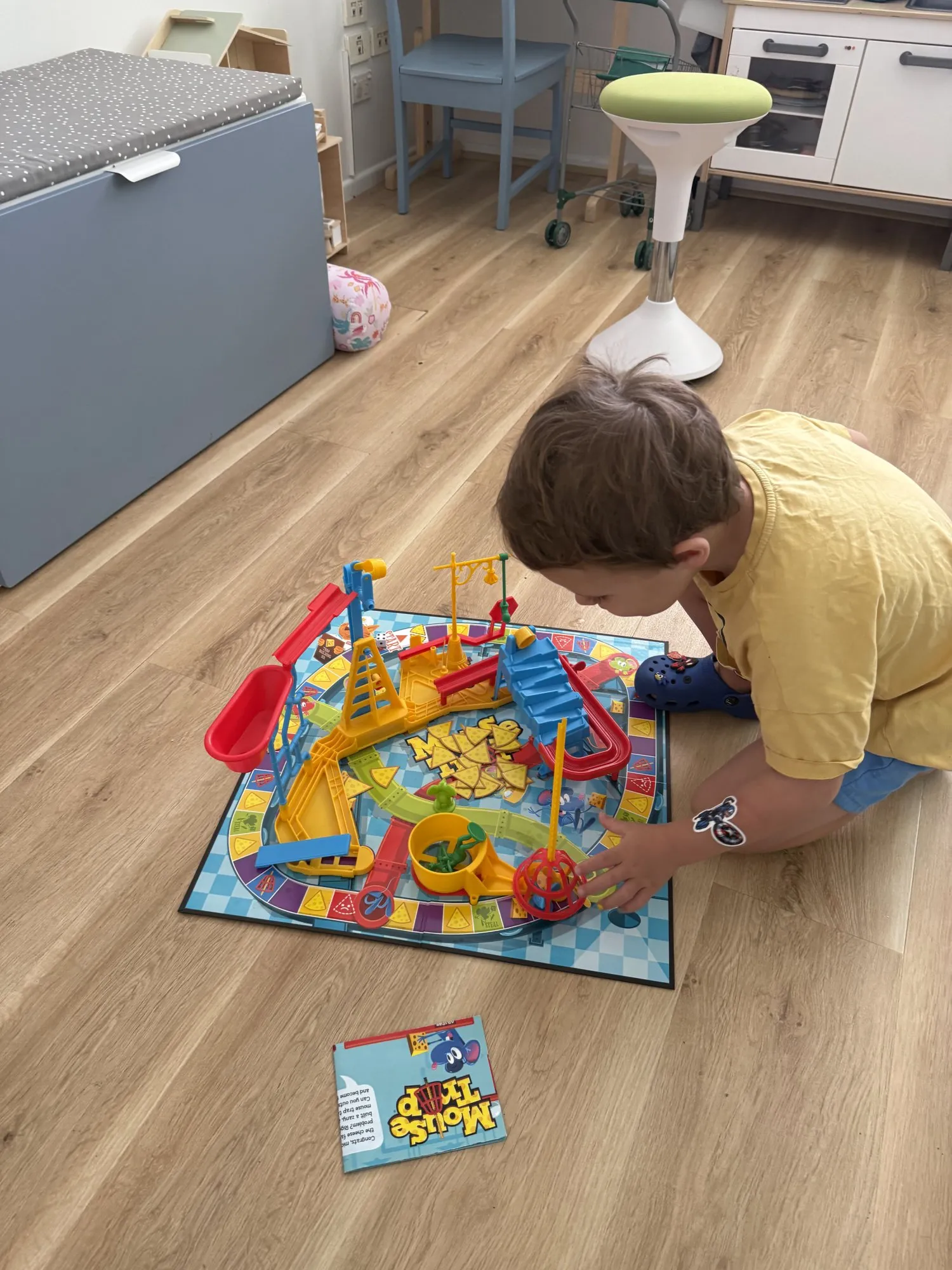
Sessions follow your child’s interests. When a child shares a special interest we go with it, because that is where engagement, pride and real learning live.
- Sensory profiling, and practical accommodations for home and school
- Regulation support that treats stimming as a valid tool, not a habit to reduce
- Interoception work, so a child can start to recognise what their body is telling them
- Play and social participation on your child’s terms, rather than scripted social skills training
- Executive functioning: starting, switching and finishing
- Self-advocacy and a positive Autistic identity
- Working with schools on the environment and the expectations, not only on the child
We are anti-masking, and we mean it
Masking is when a child hides parts of who they are in order to be accepted, usually without realising they're doing it. It often looks like a child who is fine all day at school and falls apart the moment they get in the car.
It is exhausting, and it is linked to anxiety, depression and reduced self-worth.
Our goal isn't to teach eye contact and "good listening". It's to show children the value of connection and friendship, and to create spaces where fewer children need to mask at all.
We help children understand their own differences, and we put accommodations in place that affirm who they are. The goal is belonging, not fitting in.
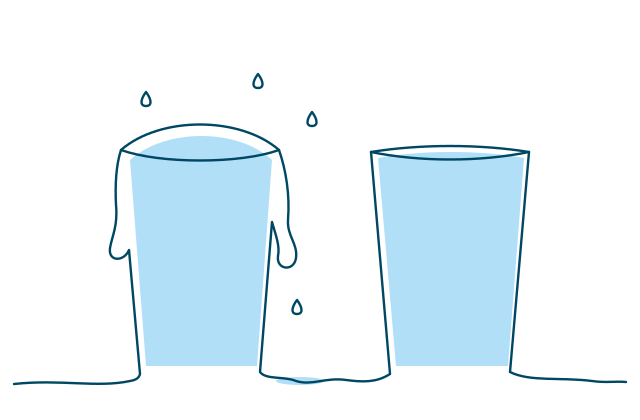
Think of it as a cup that fills through the day. Every demand adds a little, and holding it steady takes constant effort that nobody around them can see. By home time there is nothing left to hold it with, and home is where they let go because home is where it is safe to.
It does not always break loudly, either. A child who has gone quiet and compliant can be more overwhelmed than one who is shouting. Quiet does not mean settled, and those are often the children who get missed.
Who we work with
Autistic and AuDHD children and young people aged 2 to 17, including children who are undiagnosed but show Autistic traits. You do not need a diagnosis to work with us.
We also have deep experience with children who have a PDA profile, which very often sits alongside autism.
Every child is screened before we begin, so the fit between family, child and therapist is right from the start.
Frequently asked questions
A few common questions we hear from families starting out
Do we need a diagnosis first?
No. We support children who are undiagnosed but show neurodivergent traits.
Do you diagnose autism?
No. Diagnosis sits with a paediatrician, psychologist or multidisciplinary team. We complete occupational therapy assessments that describe function, sensory needs and participation.
Is this ABA?
No. Our approach isn't behaviour-based. Rather than working towards compliance or rewards, we focus on understanding your child and adjusting the environment and supports around them.
My child is already burnt out from therapy.
Then we slow down. Burnout needs rest, not more demands. We start with what is being asked of your child rather than with what your child can do.
Still Have Questions?
We understand every child and family is different. If you're unsure where to start or would simply like to talk things through, our team is always happy to help.
You can contact our team via phone, email, or our enquiry form and we'll help guide you through the next steps.
If you'd like to take the next step, you can complete our Getting Started Form below.