Services
Paediatric Occupational Therapy on the Gold Coast
Occupational therapy helps children take part in the everyday things that matter to them. Getting dressed. Playing with a friend. Sitting through a birthday party. Writing their name without it costing them the whole afternoon.
We are a small, family-owned clinic in Mudgeeraba, working with children aged 2 to 17 across the Gold Coast and Northern NSW.
Our starting point is not what a child cannot do yet. It is what gets in the way, and what we can change about it.
Occupational Therapy for Autistic and AuDHD Children
We are an Autistic-affirming clinic. That means we are not trying to make your child seem less Autistic.
Read more →Occupational Therapy for ADHD and PDA Profiles
What looks like refusing is often a child who can't, right now.
Read more →NewCar Seat and Transport Safety Assessments
For some children, getting in the car is one of the hardest parts of the day.
Read more →What occupational therapy looks like here
Every child is different, so no two support plans look the same. In practice our work moves between four things:
Understanding your child
What their nervous system is doing, what comes easily, what costs them, and what they love.
Changing the environment
Sensory load, routines, demands, expectations, and how things are set up at home or at school.
Building skills through play
Led by your child’s interests, because that is where engagement and real learning live.
Backing the adults
Parents, carers, teachers and educators, with strategies that fit real life rather than ideal conditions.
Young children cannot regulate on their own yet. Their brains are still building that, so what they do instead is borrow calm from an adult they trust.
That is why so much of our work happens with the people around a child rather than only with the child, and why some of the most useful sessions we run have a parent in them.
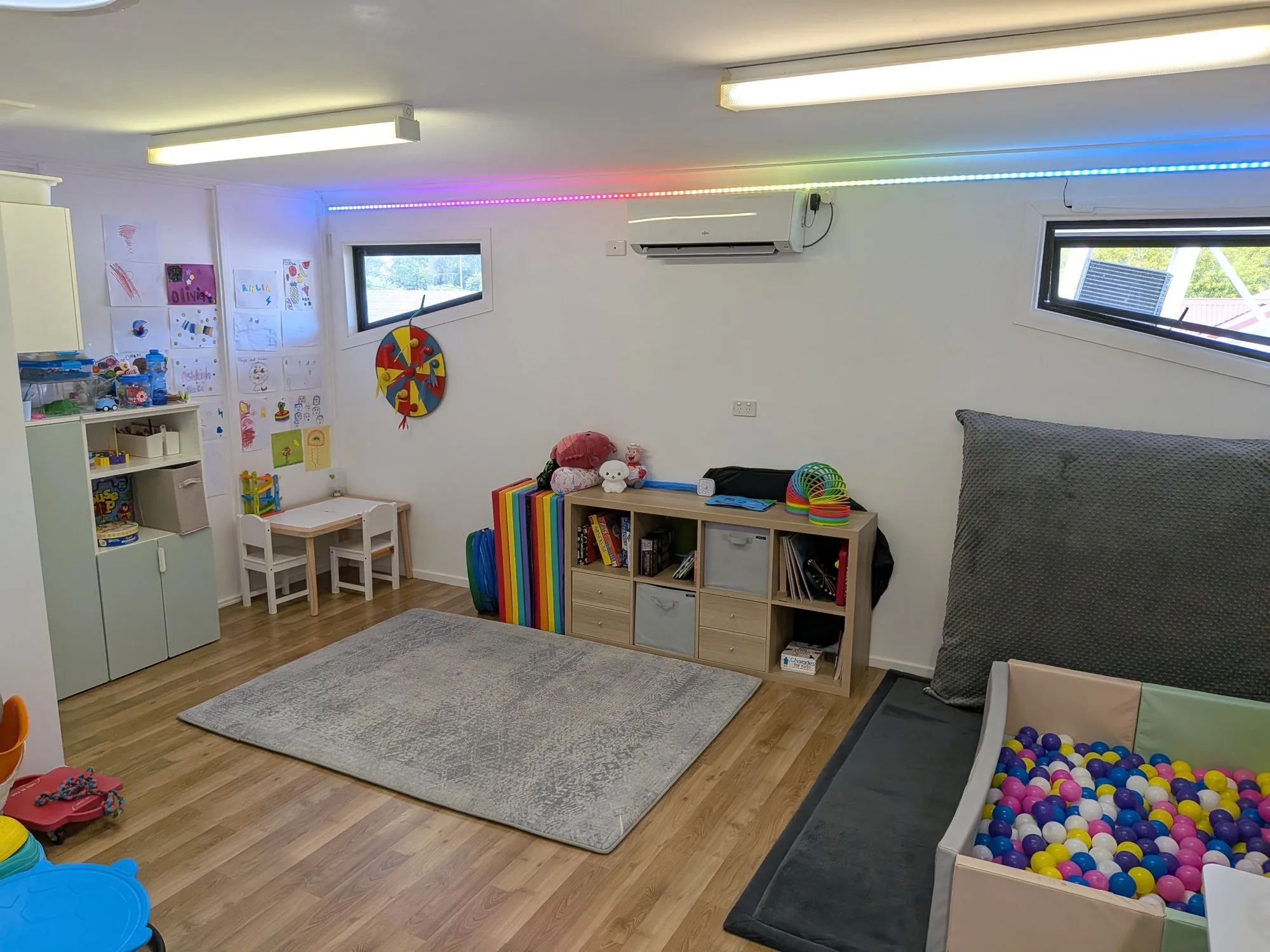
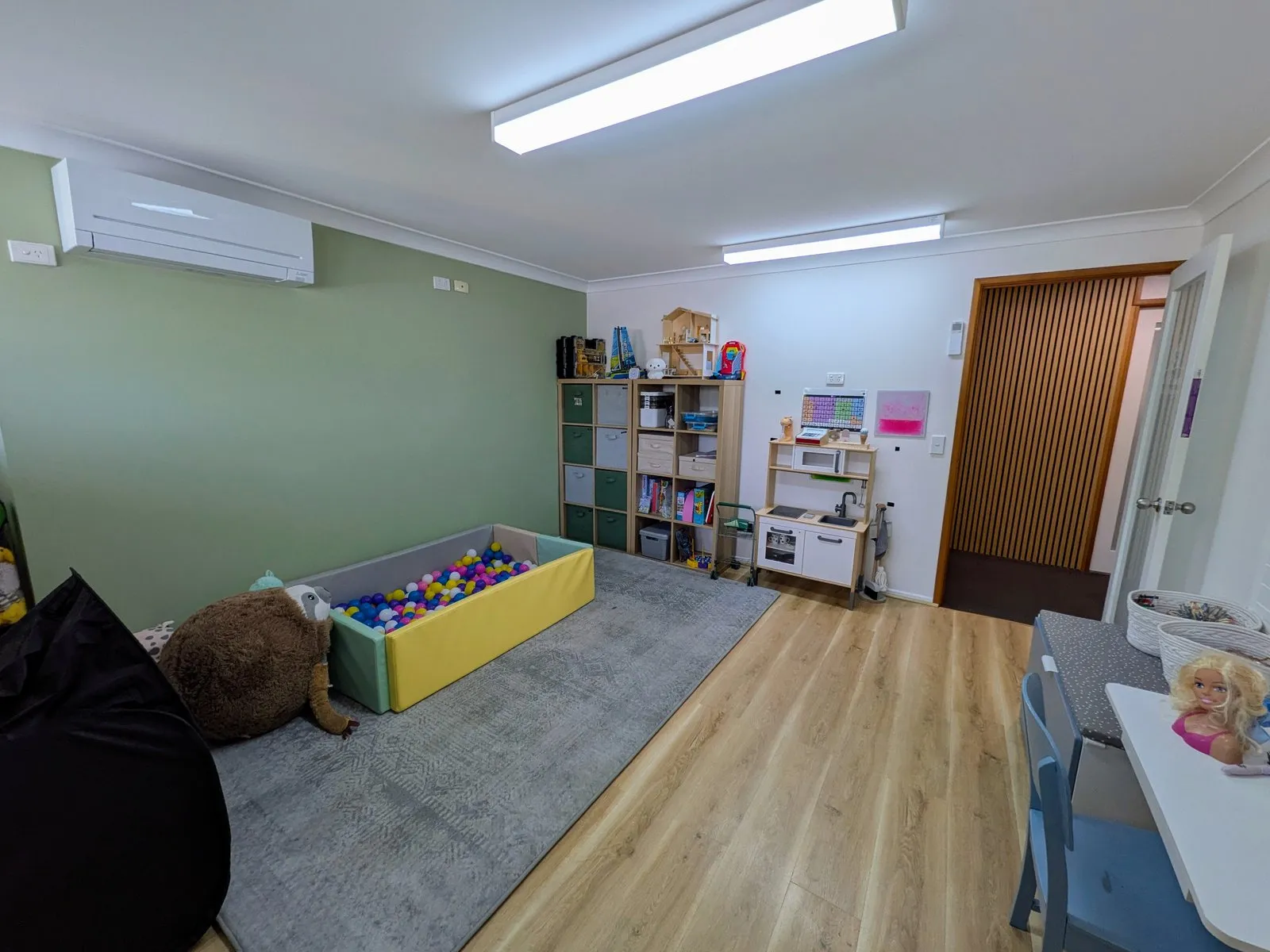
Therapy can look like play, movement, building, cooking, mess, or sitting quietly and talking. It often does not look like what people expect, and that is okay.
Where we see your child
You do not have to come to us for every session. We work wherever the support makes the most sense.
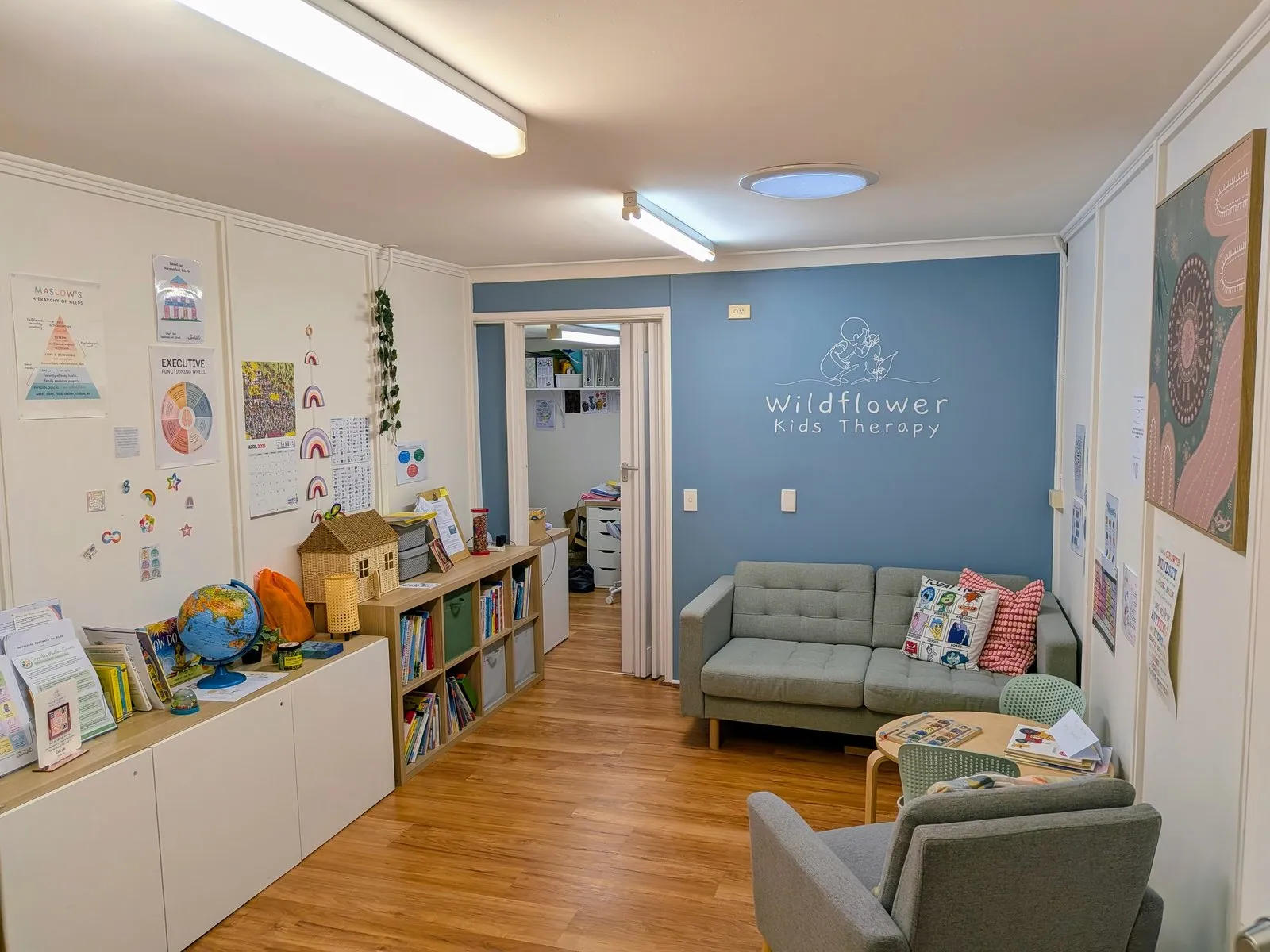
- In clinic at 7/31 Railway St, Mudgeeraba QLD 4213
- At home
- At school or childcare, alongside the educators who see your child every day
- Out in the community, where the skill is actually needed
- By telehealth
We travel across the Gold Coast and into Northern NSW, from Tweed and Coolangatta in the south through Robina, Burleigh, Varsity Lakes, Nerang and Carrara, and north to Yatala.
The skills we support
We support development in the following skill areas
- Self-Care
- Gross and Fine Motor
- Play Skills
- Emotional Regulation
- Sensory Regulation
- Positive Social Experiences
- Self Advocacy & Positive Identity Growth
- Executive Functioning
Who we work with
Children and young people aged 2 to 17, with particular depth supporting kids who:
Every child is screened before we begin, so there is genuine alignment between the family, the child and the therapist. We do not take everyone, and that is on purpose.
- are Autistic, AuDHD or ADHD
- have a PDA profile
- are undiagnosed but show neurodivergent traits
- have developmental delays compared to peers
- have specific learning difficulties such as developmental coordination disorder (dyspraxia) or dysgraphia
What makes us different
Plenty of clinics use the word neurodiversity-affirming. Here is what it actually means in our room.
We are not trying to make your child appear more neurotypical
We use the social model, not the deficit model. Where something is hard, we look at the environment, the demands and the supports before we look at the child.
We don't use reward charts or sticker systems
Being able to do the thing isn't the goal. The goal is for your child to be okay doing the thing. Rewards can change what a child does in the moment, but they don't tell us why something is hard, so we look for what's getting in the way and build from there. If you've used charts before, that's okay. Every parent does their best with the skills and knowledge they have at the time.
We are anti-masking
Hiding who you are in order to be accepted is exhausting and is linked to anxiety and low self-worth. Fitting in means changing yourself. Belonging means being accepted as you already are. We are after the second one.
Behaviour is communication
When a child cannot meet an expectation, something is getting in the way. We look underneath it at the unmet need, the missing skill, or the state their nervous system is in.
A lot of that effort is invisible. Sensory processing, regulation, masking and executive load are all being spent before a visible task even begins. Small frustrations stack across a day, so an outburst is usually the whole day arriving at once rather than the thing that appeared to cause it.
Frequently asked questions
A few common questions we hear from families starting out
Do I need a referral?
No. You can contact us directly. A referral from a GP, paediatrician or specialist is only needed if you are claiming Medicare rebates.
How is therapy funded?
We support private paying families, self-managed and plan-managed NDIS participants, and Medicare rebates where a referral is in place. We are not a registered NDIS provider.
Do we need a diagnosis before we start?
No. Many of the families we see are undiagnosed, partway through an assessment, or have been told their child is too young to be assessed. You do not need it worked out before you get in touch.
What ages do you work with?
Children and young people aged 2 to 17.
How soon can we start?
It depends on current availability and on the fit between your child and the therapist. The first step is the enquiry form, then a conversation with our team.
Still Have Questions?
We understand every child and family is different. If you're unsure where to start or would simply like to talk things through, our team is always happy to help.
You can contact our team via phone, email, or our enquiry form and we'll help guide you through the next steps.
If you'd like to take the next step, you can complete our Getting Started Form below.