Why your child falls apart after school, and what helps
Held it together all day. Fell apart the second they got home.
If you have ever picked up a child who was “great all day” and then watched them dissolve before the school bag hit the floor, this one is for you.
Teachers say things like “we never see any of that here”. Grandparents say “they’re always lovely for us”. And somehow you’re the one getting the meltdown, the shutdown, the door slam, the tears over the wrong-coloured cup.
It is easy to land on a painful conclusion: they save the worst of it for me.
Here is the reframe I offer families, and I mean every word of it: big feelings at home are a sign your child feels safe with you, not a sign something is going wrong between you.
What’s actually happening
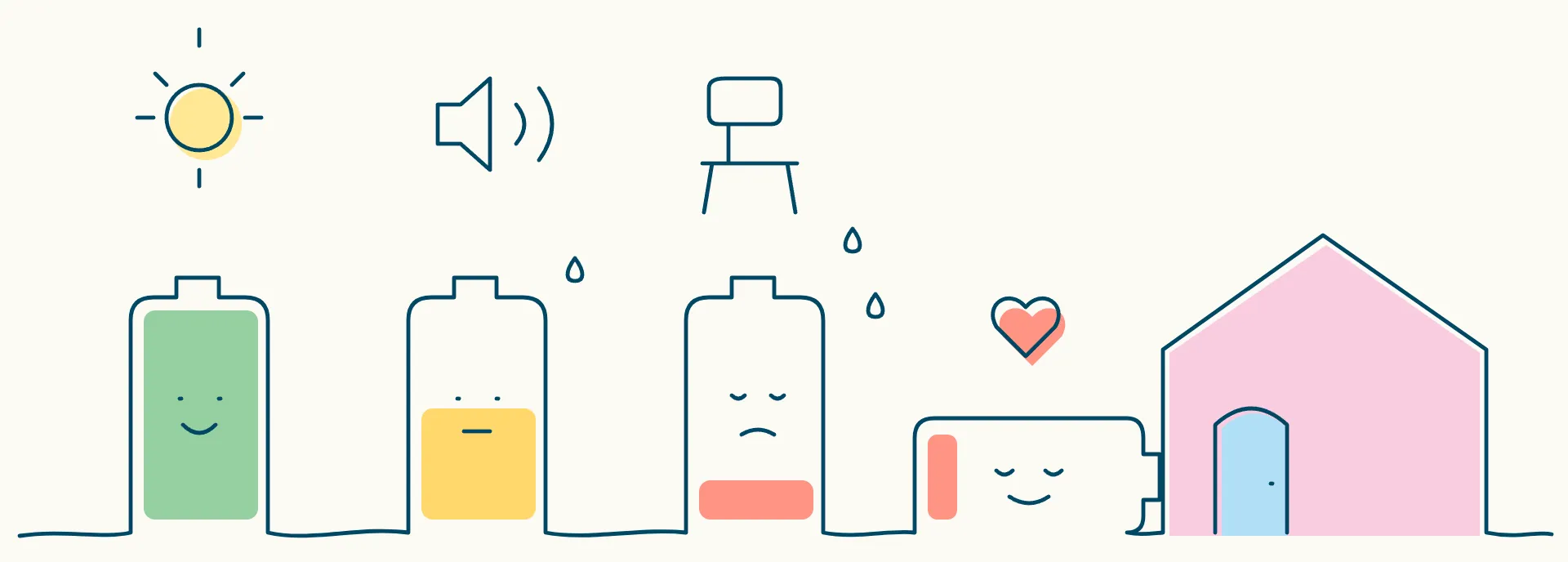
Think of your child’s energy like a battery, or a drawer of spoons if you have come across Spoon Theory (Christine Miserandino’s idea, and worth a read).
Every part of a school day costs energy. Noise, lights and busy rooms. Holding still. Following instructions. Reading the invisible rules of friendship. Managing disappointment quietly. For many kids, especially neurodivergent kids, there is another cost on top: working hard to appear fine. All of that self-monitoring runs in the background all day, and it is expensive.
So a child can look capable and engaged all day while running on empty underneath.
Then they walk in your door, and two things are true at once. The battery is flat. And they are finally somewhere they don’t have to perform.
At home, they don’t have to hold everything in anymore. So they don’t.
It isn’t a choice, and it isn’t manipulation
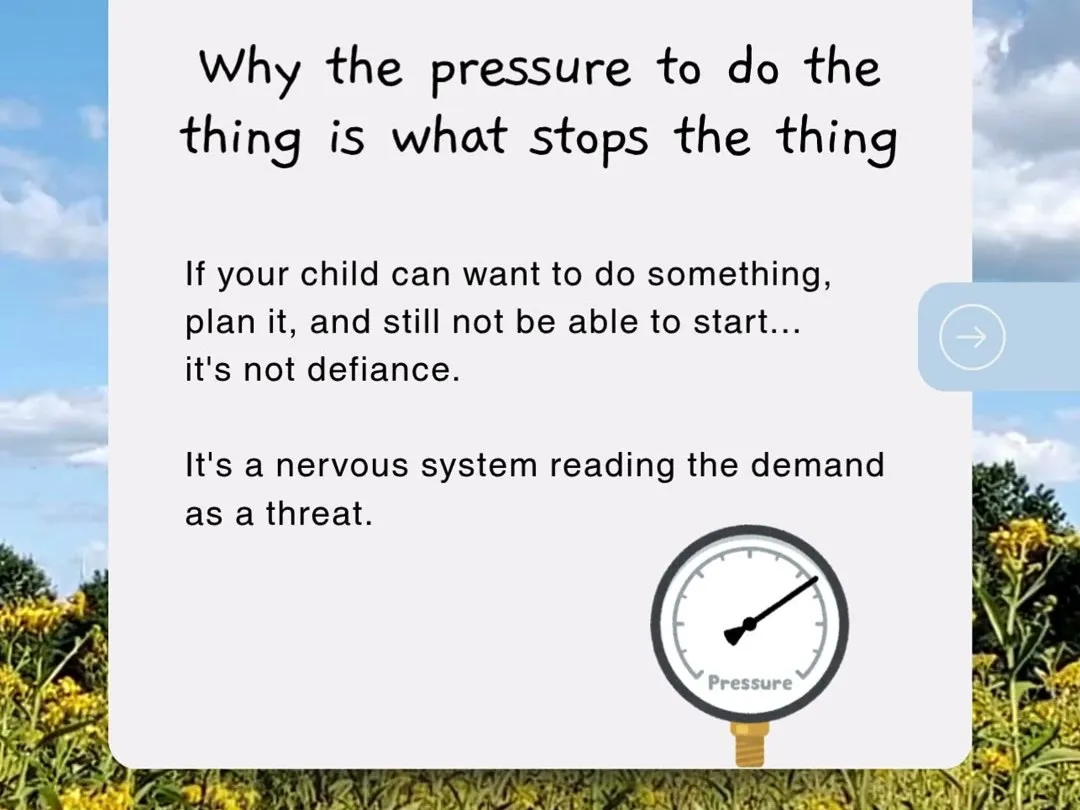
The contrast between the school self and the home self can feel confusing, even calculated. It isn’t. When the battery is empty, what looks like defiance, meltdown or withdrawal is energy depletion, not a decision.
Behaviour is communication. A child falling apart at 3:30pm is telling you, in the only language available to a flat battery, that the day cost more than it looked like it cost.
And there is a reason it lands on you. Being able to fall apart in front of someone is trust. They are showing you the big feelings on the outside instead of sitting alone with them on the inside. Feelings are good. Co-regulation is powerful.
What helps
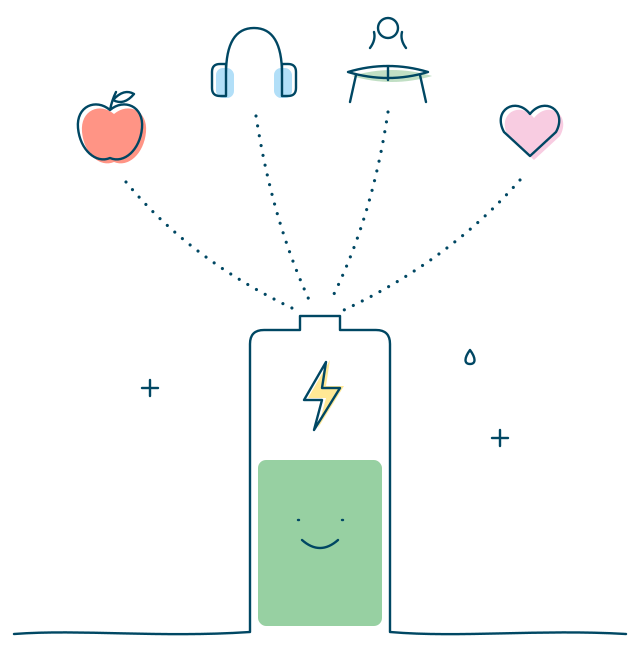
- Lower the bar at the door. The hour after school is for recovery, not achievement. Snack, quiet, movement, screen, whatever refills their particular battery. Homework battles at 3:45pm are a tax on an empty account.
- Be nearby without needing anything. You don’t have to solve it or talk about it. A parent pottering in the same room is co-regulation, and it works even when it looks like you’re doing nothing.
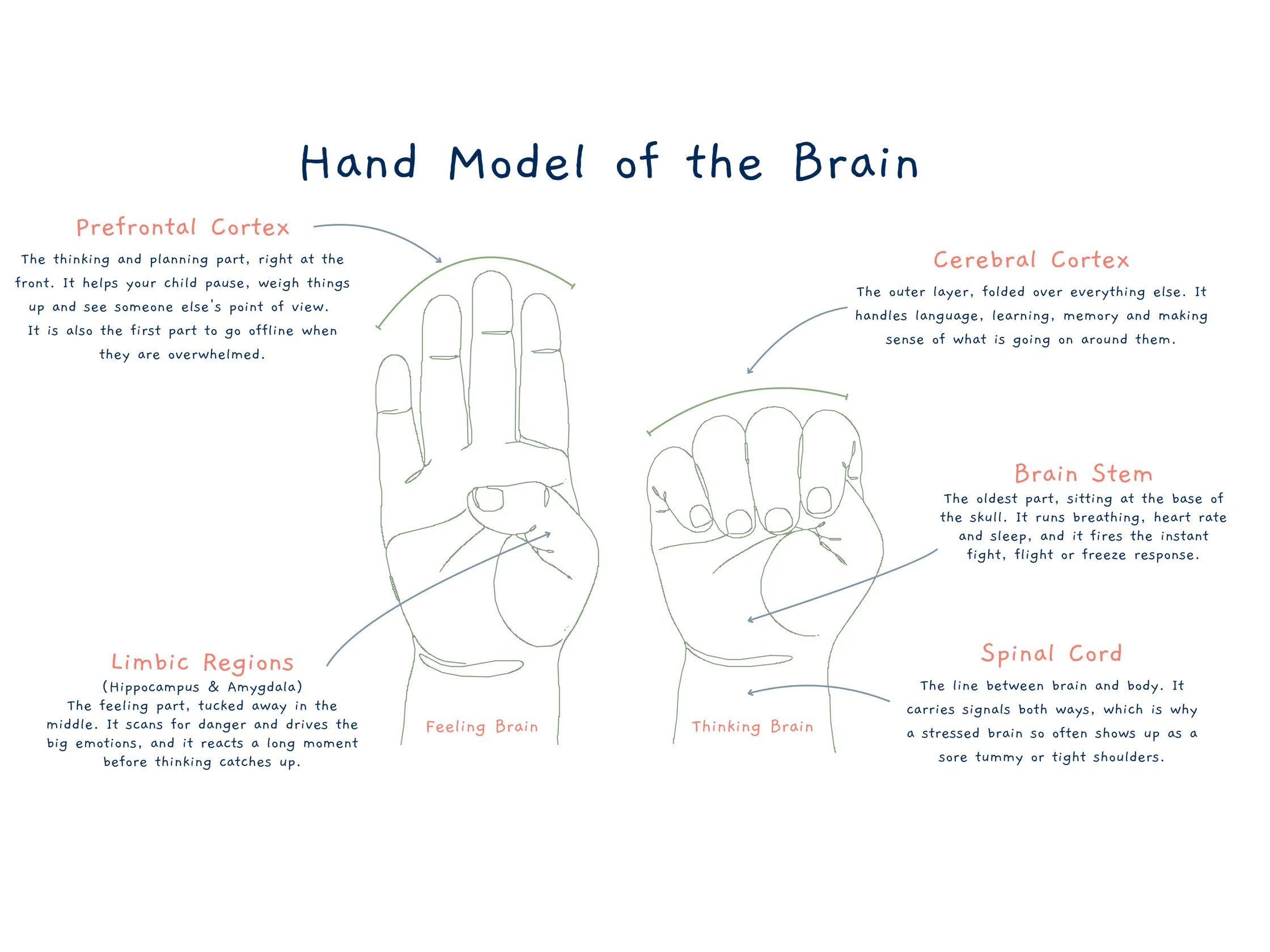
- Save the talking for later. An overwhelmed brain loses access to its problem-solving skills, so mid-meltdown is the worst possible moment for a conversation about the meltdown. If something needs working through, do it hours later, when everyone is calm. Ross Greene’s Collaborative and Proactive Solutions is a lovely framework for those calm conversations.
- Tell school what you’re seeing. “Fine all day” plus “falling apart at home” is useful information about how much the day is really costing. A good teacher would rather know.
The question worth sitting with
Not “why are they like this with me?”
Try instead: how much did today cost them, and what refills their battery?
You may find the after-school storm gets smaller once nobody is fighting it, because the storm was never the problem. It was the recovery.
This is general information, not individual advice. If the after-school pattern is big and persistent for your child, an occupational therapist can help you map what the day costs and build a recovery routine that fits your family.